
Bengal
Highly active, clever and playful; usually needs structured enrichment, climbing and interactive play.
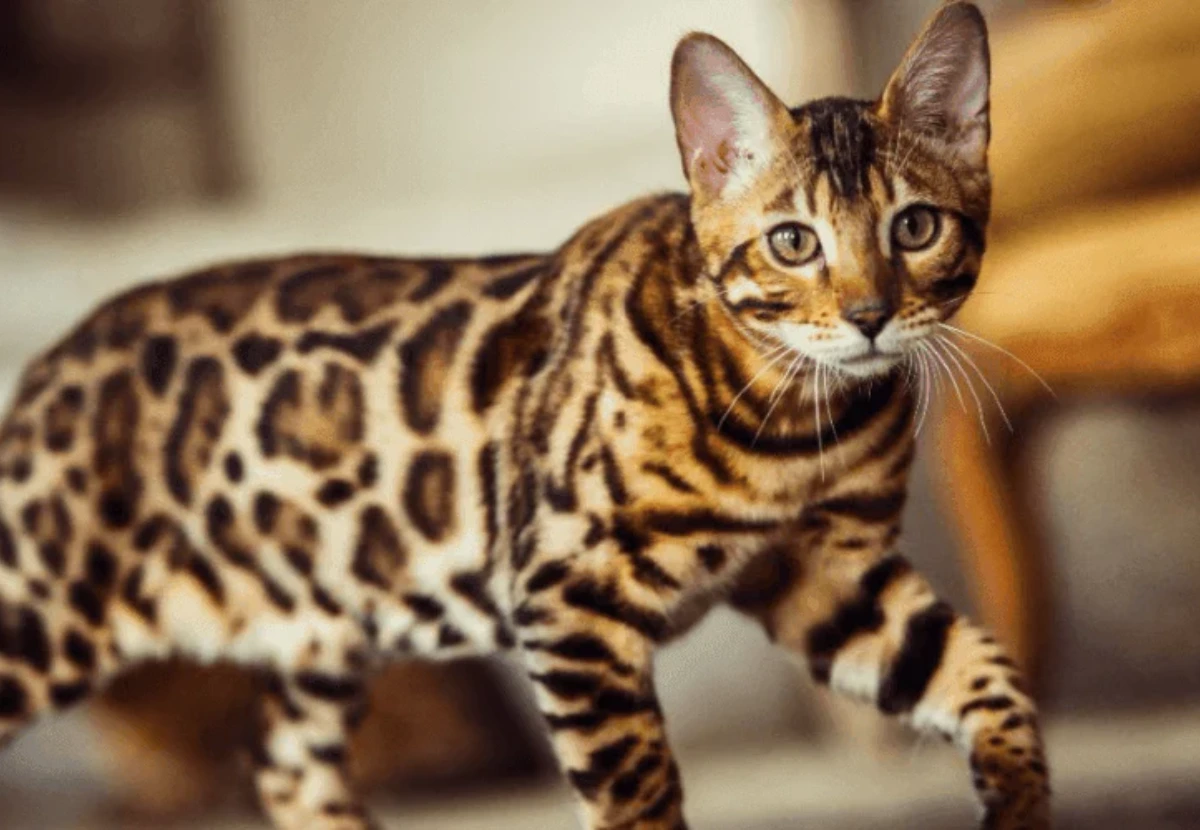
About the Bengal
Bengals are an active, athletic and visually striking breed developed from crosses between domestic cats and the Asian leopard cat. They tend to be confident, curious and physically demanding — owners who enjoy training, climbing structures and interactive play often find them rewarding company. The dataset for this breed flags a welfare review priority, so prospective owners should research source breeders carefully.
History and origin
The modern Bengal traces to a deliberate American breeding programme begun in the 1960s. Several generations from the original Asian leopard cat cross are required before kittens are considered domestic in most registries, and prospective owners should confirm the generation (F-number) and registration status of any breeder's stock.
Temperament and personality
Highly active, clever and playful; usually needs structured enrichment, climbing and interactive play.
Ratings at a glance
Appearance
Spotted, marbled or striped patterns depending on breed and registry
Grooming
Usually weekly brushing plus routine nail, ear and dental care
Exercise and enrichment
High: daily interactive play, puzzle feeding, climbing structures and rotating enrichment are strongly recommended.
Living environment
Experienced homes with secure space, intensive enrichment and any required legal checks
Good fit for
- Active households able to provide climbing, play and enrichment every day
- Owners with experience handling a high-energy cat
May not suit
- Quiet households or first-time owners looking for an easy companion
- Homes unable to provide vertical space and daily enrichment
- Regions that restrict ownership of early-generation hybrid cats — check local rules
Health considerations
Hybrid or wild-ancestry context: check local legal restrictions, generation-specific needs, secure housing and experienced-owner suitability before promoting sale or adoption.
No cat breed can be guaranteed to be completely hypoallergenic. Individual reactions vary.
Frequently asked questions
- Are Bengals legal to own?
- Rules vary by country and even by region. Many places permit later-generation Bengals (typically F4 and beyond) but restrict earlier generations. Always check your local regulations before committing.
Related cat breeds
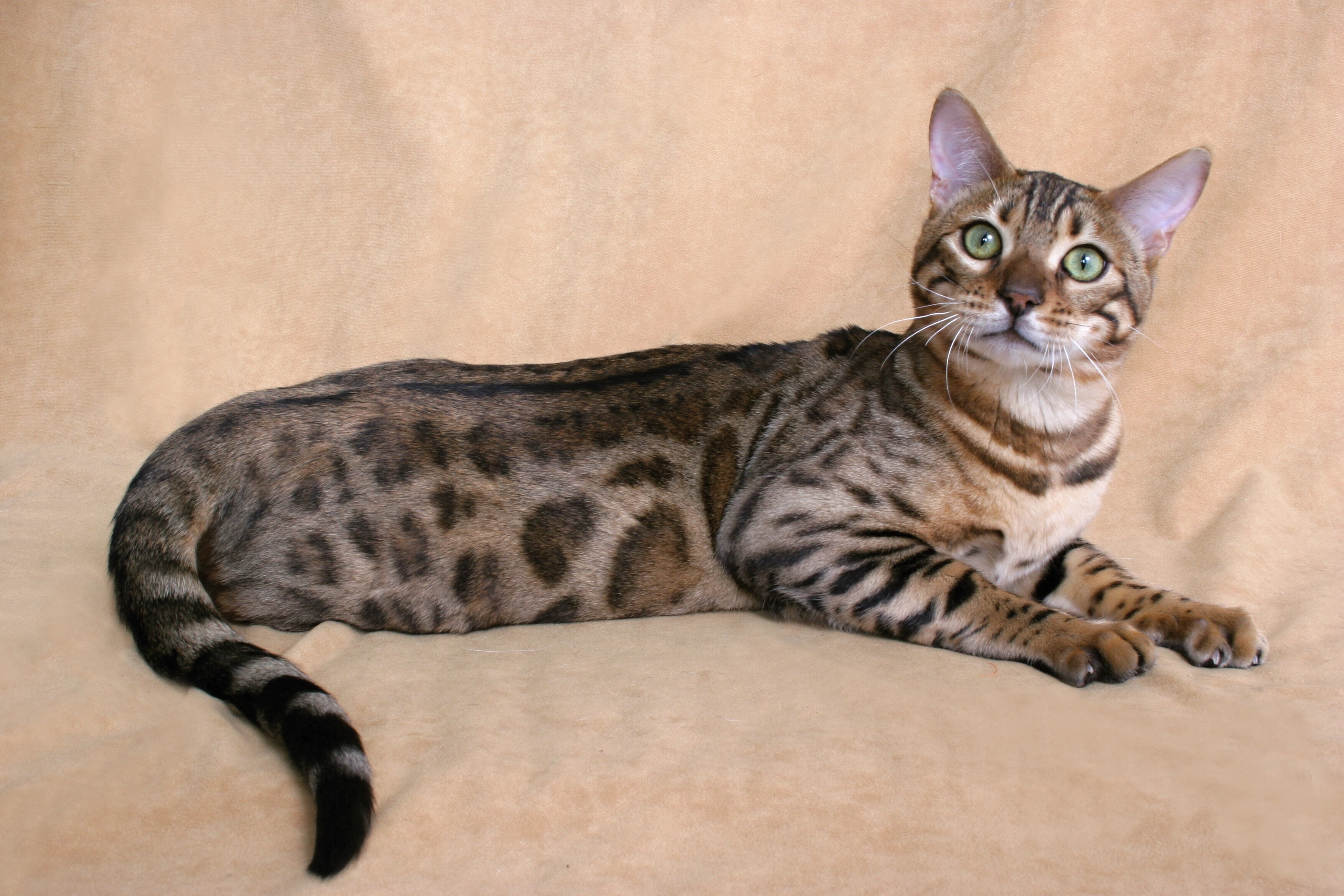
Bengal Shorthair
Highly active, clever and playful; usually needs structured enrichment, climbing and interactive play.
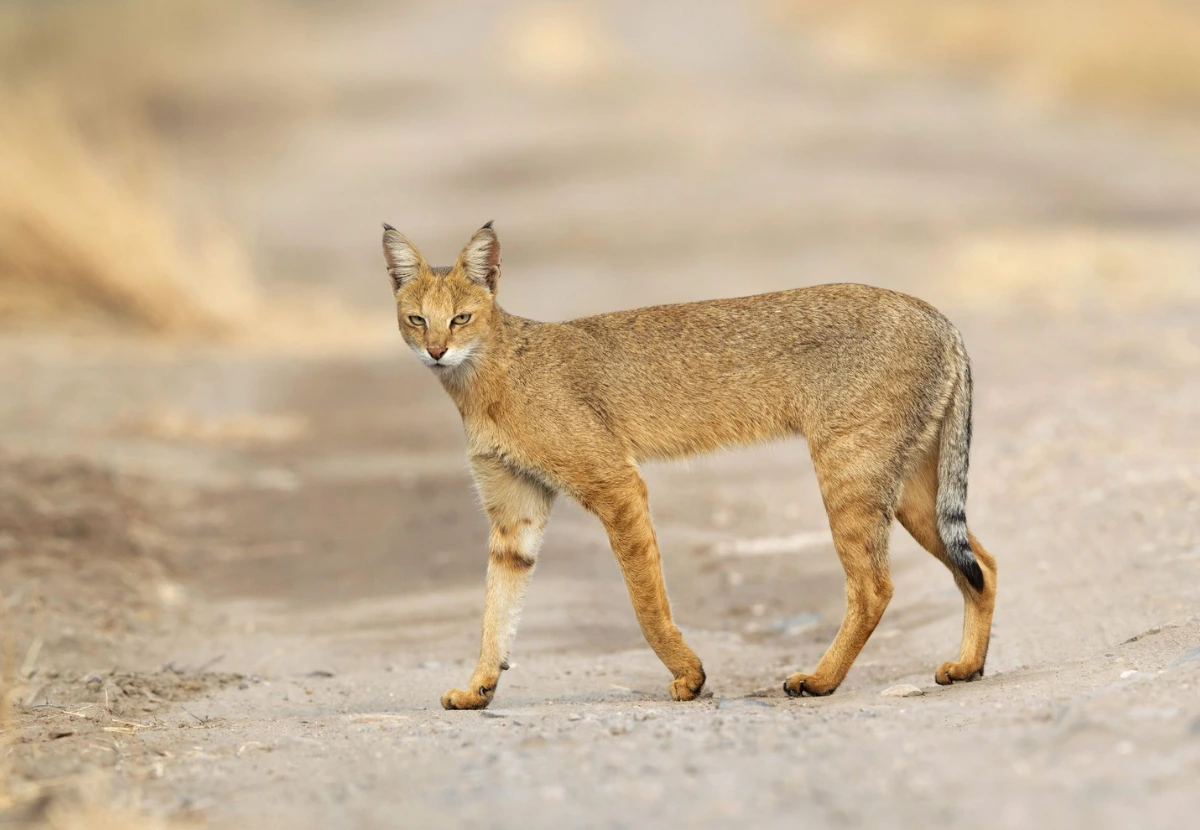
Chausie
Typically active, intelligent and demanding of enrichment; suitability depends heavily on generation, legal rules and the individual cat.
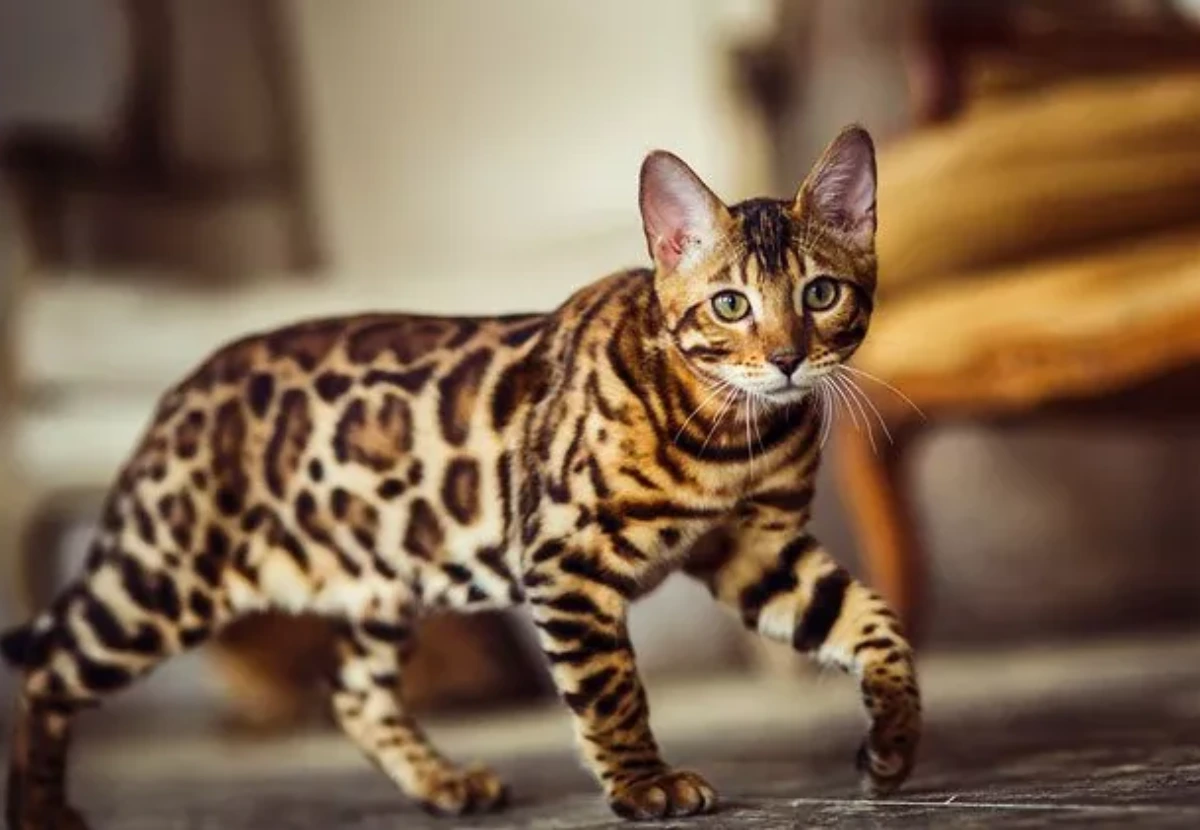
Cheetoh
Typically active, intelligent and demanding of enrichment; suitability depends heavily on generation, legal rules and the individual cat.
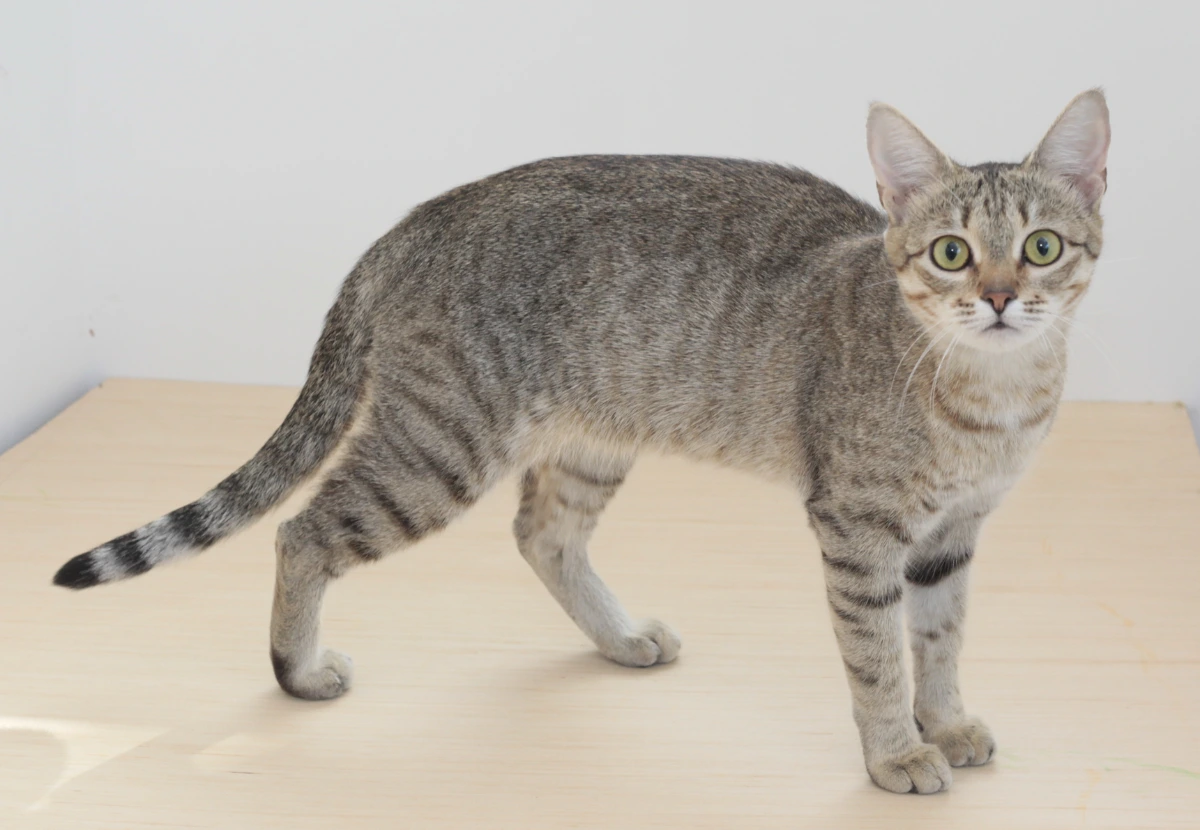
Kanaani
Typically active, intelligent and demanding of enrichment; suitability depends heavily on generation, legal rules and the individual cat.