
Sphynx
Affectionate, sociable and intelligent; commonly seeks warmth, interaction and close companionship.
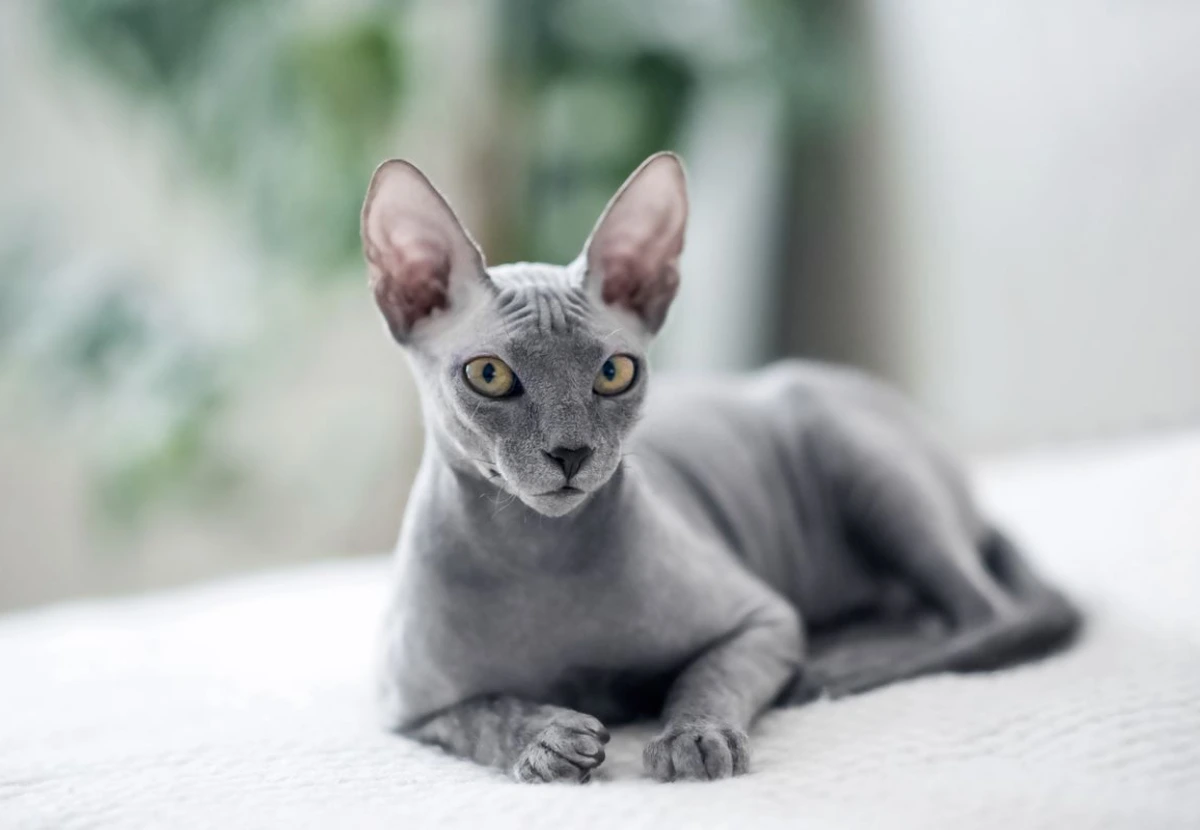
About the Sphynx
The Sphynx is the best known of the hairless breeds — a warm-skinned, energetic and exceptionally social cat. The lack of a coat does not make them hypoallergenic, and it does mean they need a level of skin care that is not required by other breeds. Owners often describe them as part cat, part small dog: they follow people around, like warmth, and tend to be vocal about it.
History and origin
The modern Sphynx traces back to a hairless kitten born in Toronto in 1966 and a few similar foundation cats. Selective breeding, mostly outcrossed to other breeds for genetic health, produced the breed we recognise today.
Temperament and personality
Affectionate, sociable and intelligent; commonly seeks warmth, interaction and close companionship.
Ratings at a glance
Appearance
Accepted colours and patterns vary by registry; check the breed standard before publishing a colour-specific claim
Grooming
Regular skin, ear and nail care; follow veterinary guidance for the individual cat
Exercise and enrichment
Moderate: provide daily play, scratchers, resting areas and age-appropriate climbing opportunities.
Living environment
Indoor homes able to provide warmth, skin care and regular companionship
Good fit for
- Households who want a highly interactive, sociable cat
- Owners willing to commit to regular bathing and ear cleaning
- Warm homes — Sphynxes feel cold more readily than coated cats
May not suit
- Owners hoping for a low-maintenance cat
- Cool homes without warm resting places
- Allergy sufferers, in many cases — see the allergy notes below
Health considerations
Use a rescue or transparent breeder, request veterinary records and ask about breed-relevant screening, vaccination, socialisation and return policies. Hairless or sparse-coated cats also need attentive skin, ear and temperature care; they are not guaranteed hypoallergenic.
No cat breed can be guaranteed to be completely hypoallergenic. Individual reactions vary.
Frequently asked questions
- Are Sphynx cats hypoallergenic?
- No cat breed can be guaranteed to be hypoallergenic. Sphynxes still produce the Fel d 1 protein that triggers most cat allergies, and they shed skin oils that build up in the home. Always spend time with the individual cat before committing if allergies are a concern.
Related cat breeds
Donskoy
Often affectionate, sociable and warmth-seeking; usually needs close companionship plus attentive skin and temperature care.
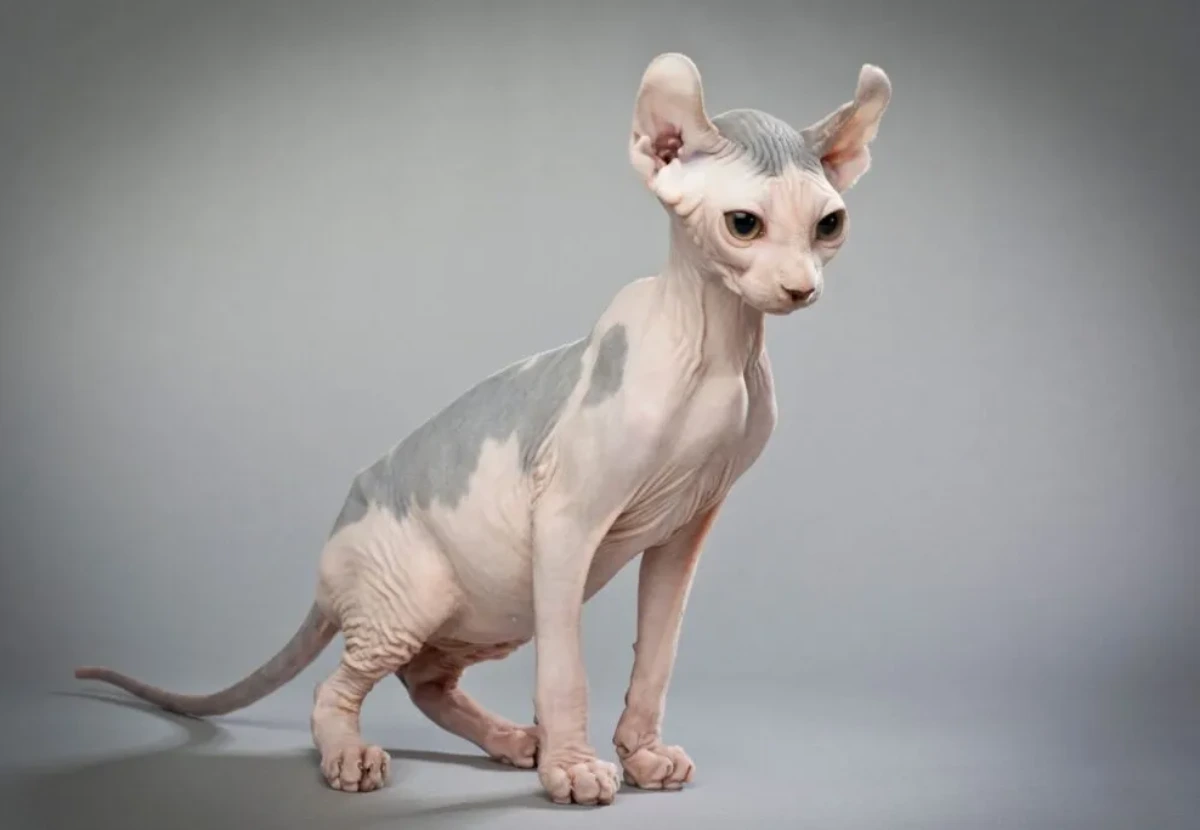
Elf
Often affectionate, sociable and warmth-seeking; usually needs close companionship plus attentive skin and temperature care.
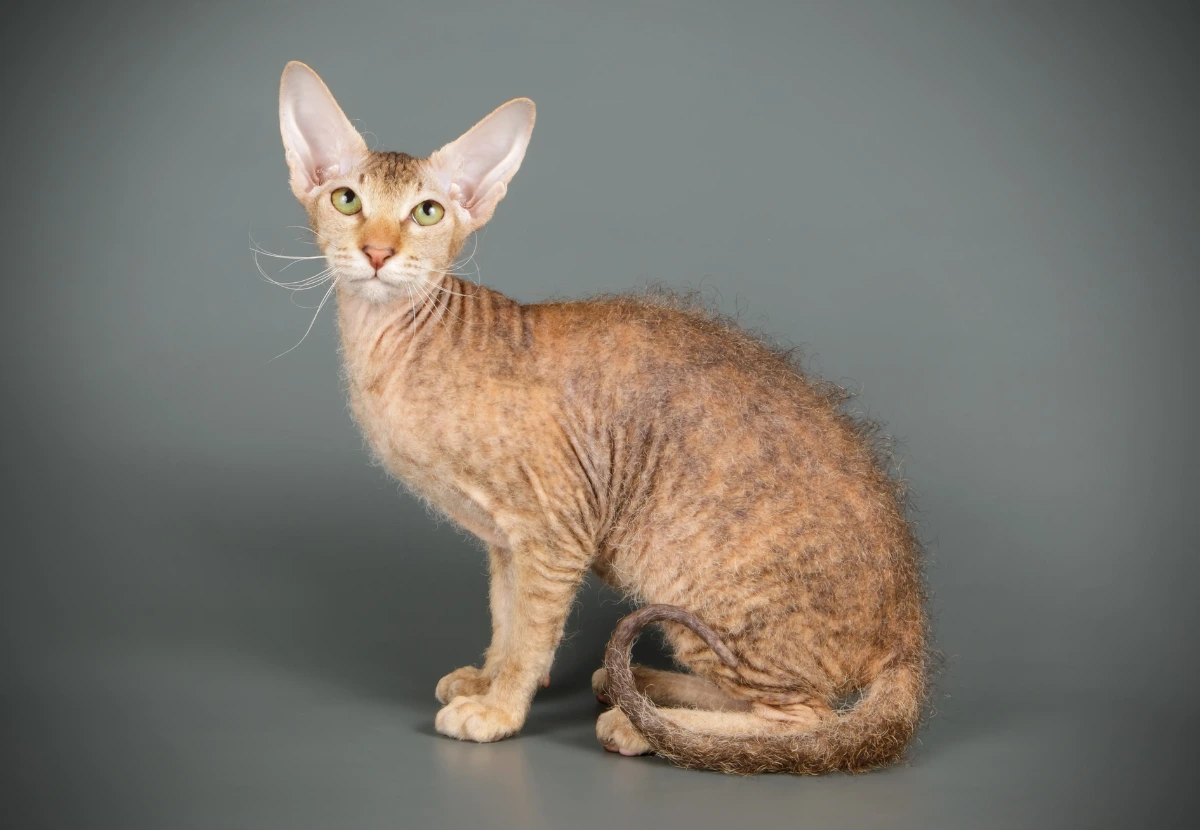
Peterbald
Often affectionate, sociable and warmth-seeking; usually needs close companionship plus attentive skin and temperature care.
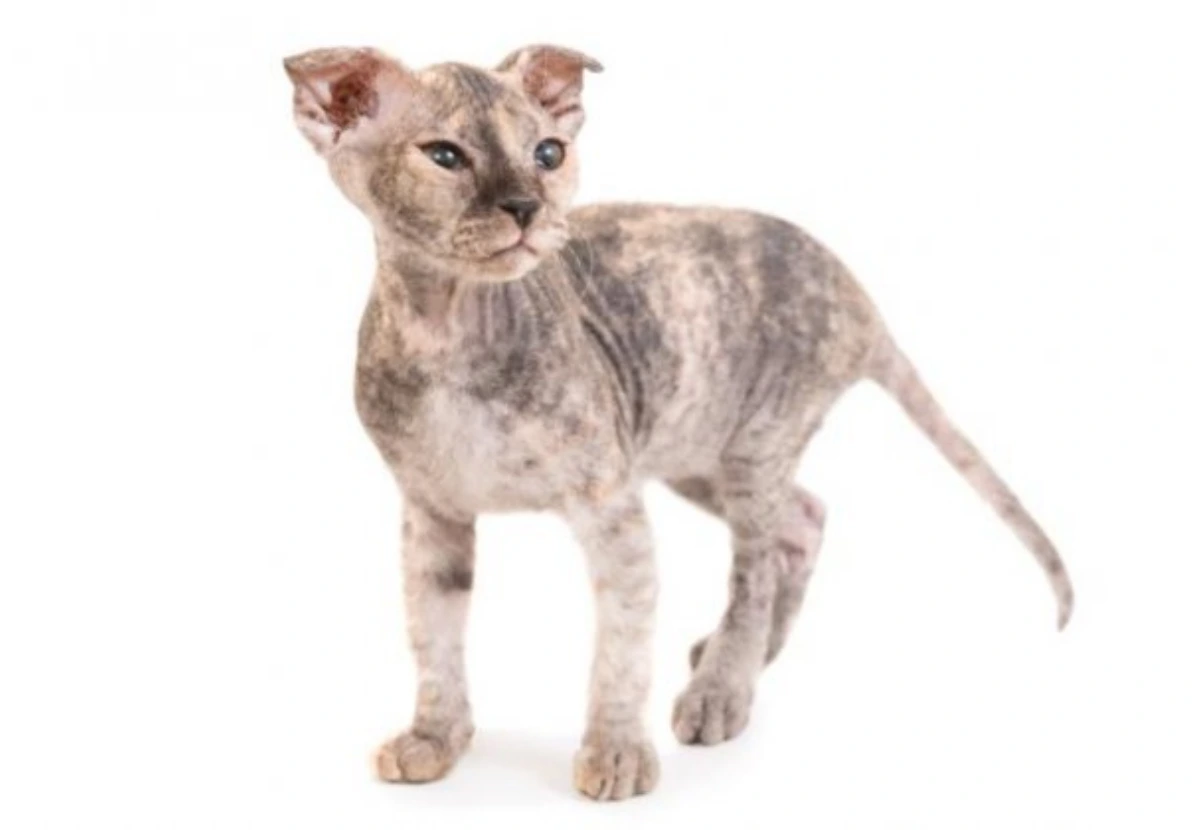
Ukrainian Levkoy
Often described as gentle and companionable, but the folded-ear trait requires strong welfare context and careful veterinary guidance.