
Norwegian Forest Cat
Confident, adaptable and playful; usually appreciates climbing space and gentle companionship.
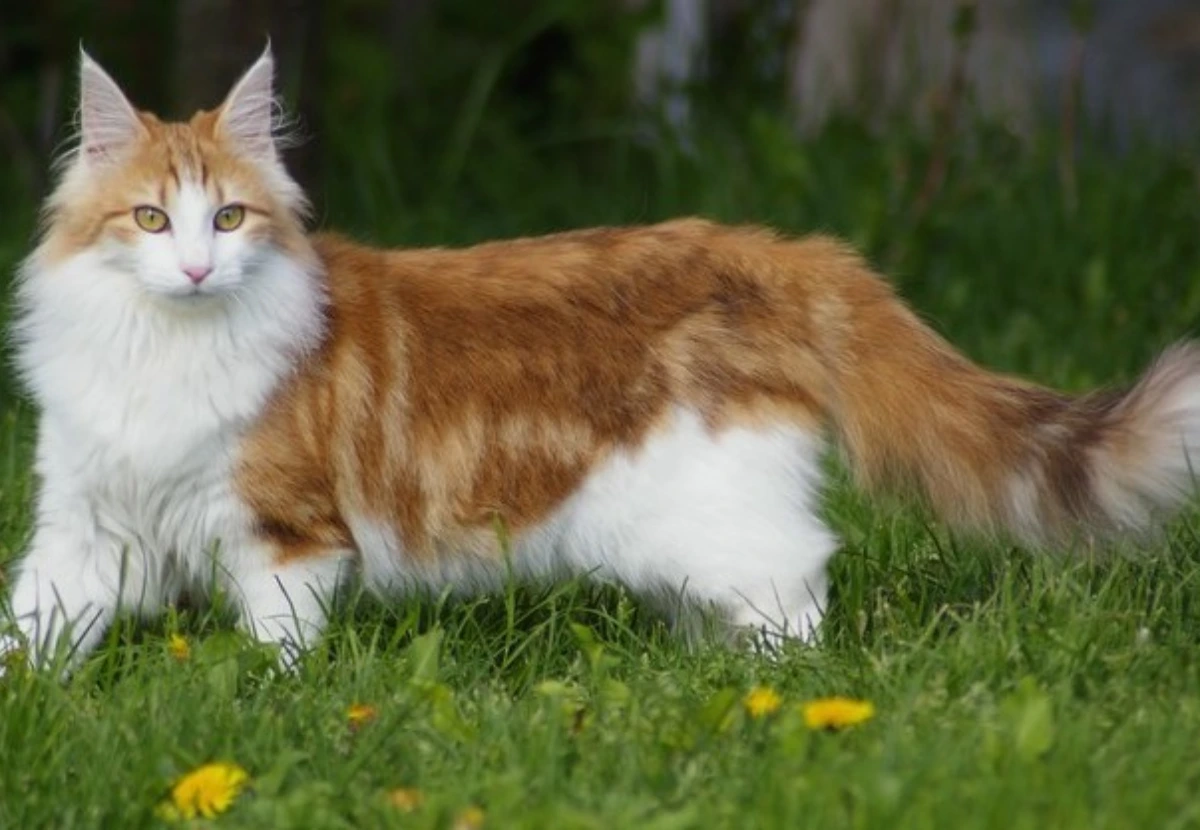
About the Norwegian Forest Cat
The Norwegian Forest Cat is a large, semi-long-haired breed built for cold weather — a thick double coat, tufted ears and feathered toes are all hallmarks. Owners describe them as friendly but independent: they like the people they live with but rarely demand non-stop attention.
History and origin
Norwegian folklore mentions large, long-haired cats, and the breed developed naturally in the Norwegian countryside before formal recognition in the twentieth century. King Olaf V designated the Norwegian Forest Cat the official cat of Norway.
Temperament and personality
Confident, adaptable and playful; usually appreciates climbing space and gentle companionship.
Ratings at a glance
Appearance
Accepted colours and patterns vary by registry; check the breed standard before publishing a colour-specific claim
Grooming
Brush several times weekly; increase during seasonal shedding or if the coat mats easily
Exercise and enrichment
Moderate to high: provide sturdy climbing areas, scratchers and daily interactive games.
Living environment
Interactive homes able to provide climbing, games and regular companionship
Good fit for
- Cooler climates and homes with space to climb
- Owners able to manage a thick semi-long coat, particularly during moult
- Households that appreciate a friendly but moderately independent cat
May not suit
- Very warm climates without climate control
- Owners hoping for a small, low-shedding cat
Health considerations
Use a rescue or transparent breeder, request veterinary records and ask about breed-relevant screening, vaccination, socialisation and return policies.
No cat breed can be guaranteed to be completely hypoallergenic. Individual reactions vary.
Frequently asked questions
- Do Norwegian Forest Cats shed a lot?
- They have a thick double coat and shed significantly, particularly in spring and autumn. Regular brushing during these periods is essential.
Related cat breeds
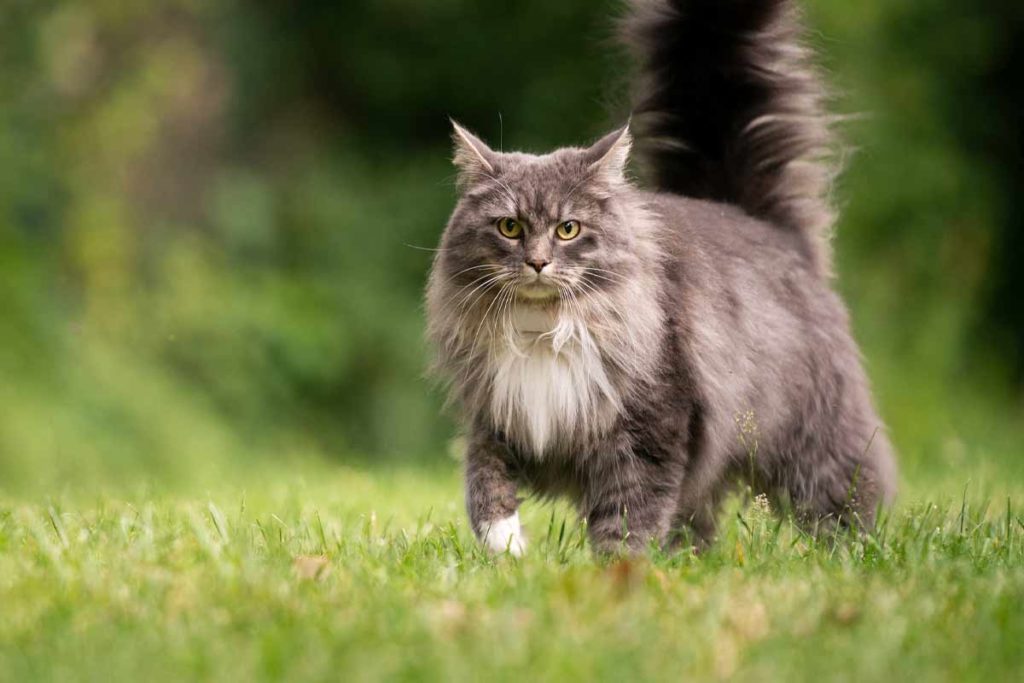
Maine Coon
Friendly, sweet-natured and playful; often sociable without demanding constant attention.
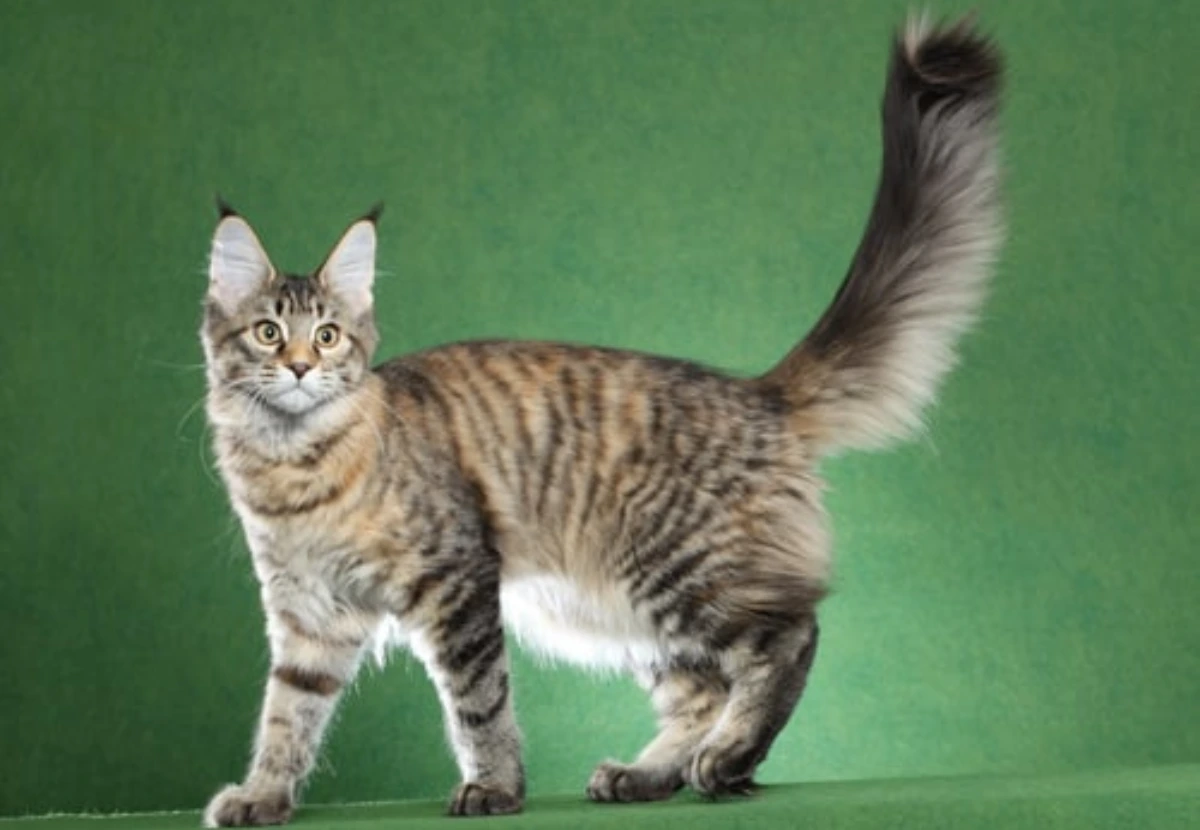
Maine Coon Polydactyl
Friendly, sweet-natured and playful; often sociable without demanding constant attention.
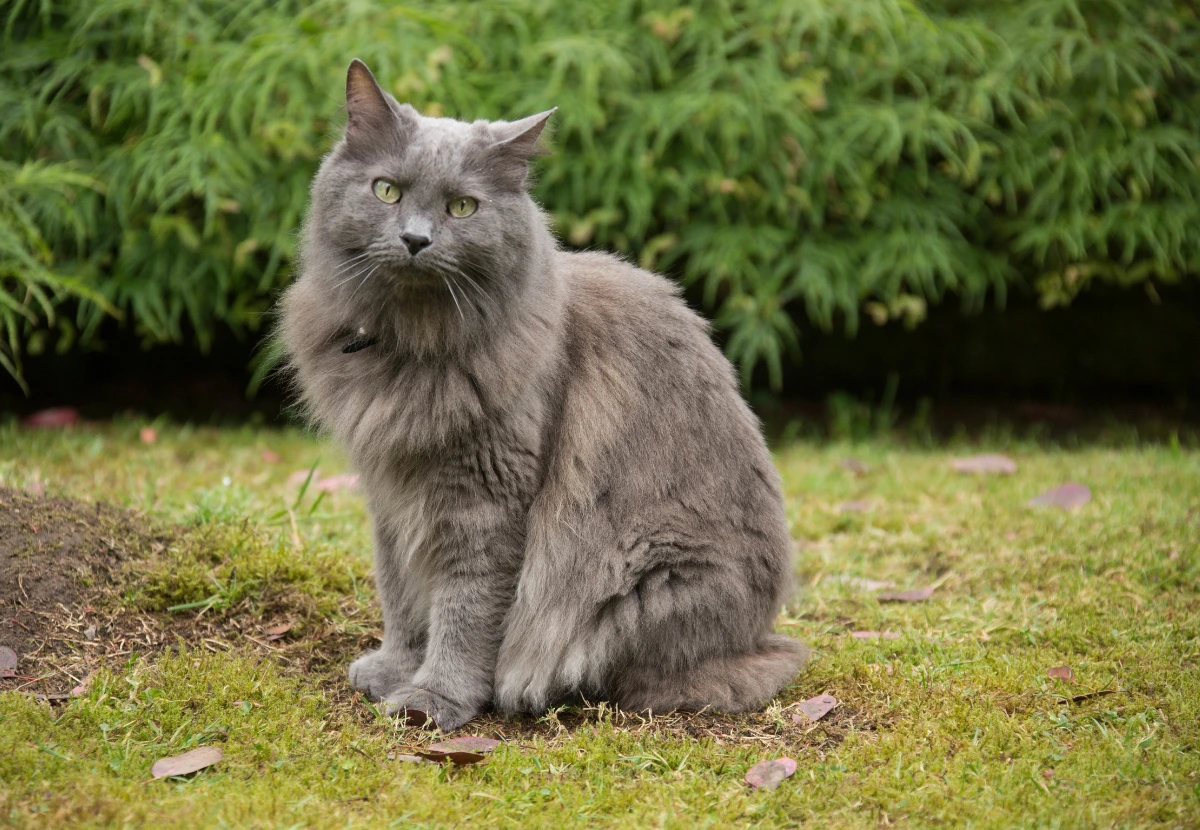
Nebelung
Sensitive, intelligent and playful; often reserved initially but devoted once settled.
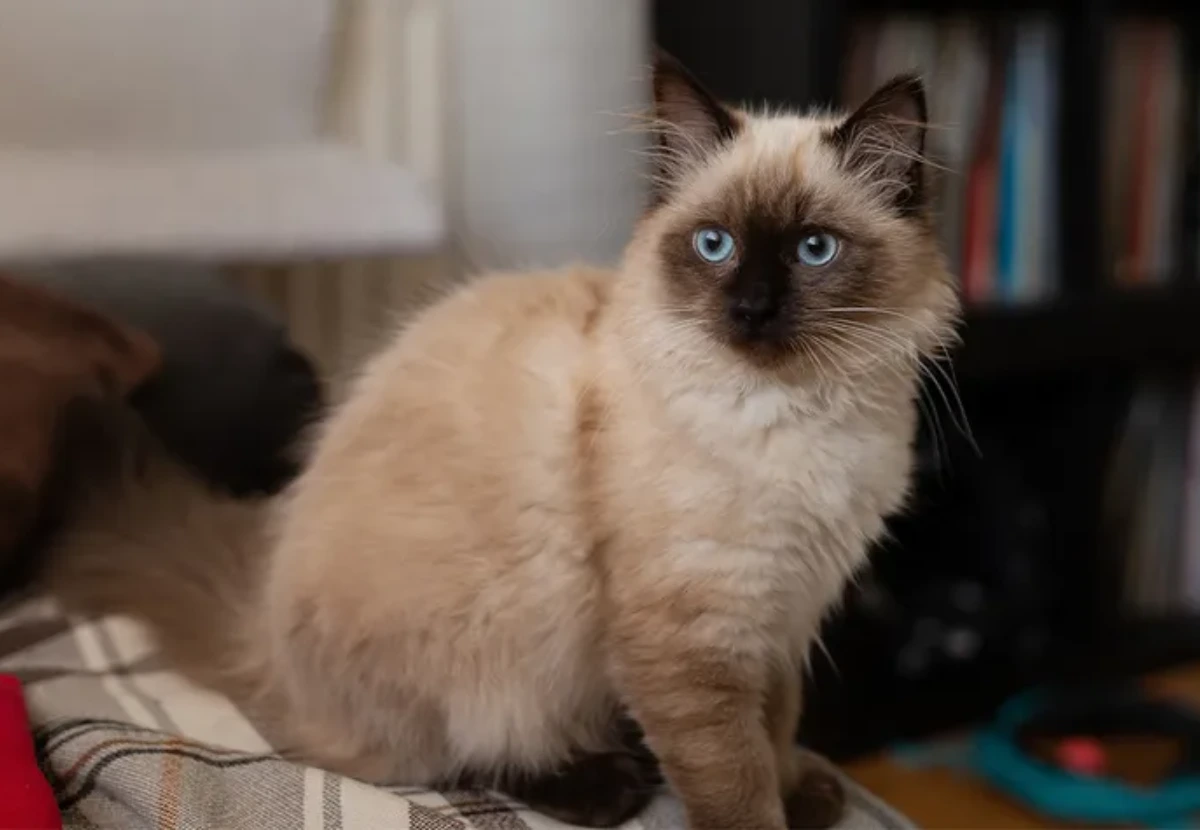
Birman
Gentle, affectionate and playful; often people-focused without being excessively demanding.