
Maine Coon
Friendly, sweet-natured and playful; often sociable without demanding constant attention.
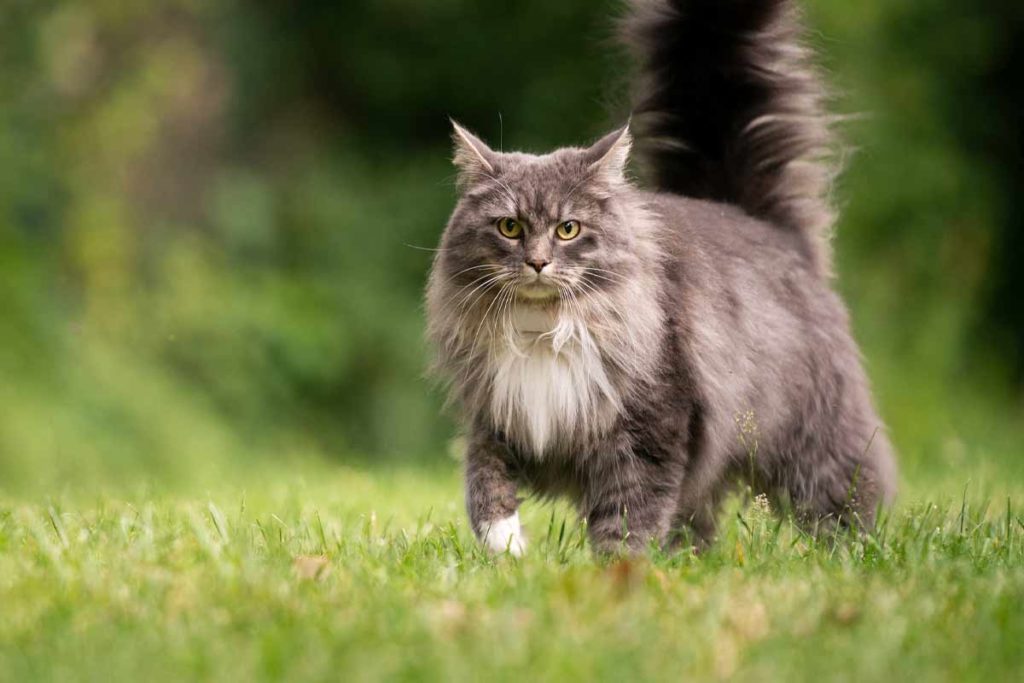
About the Maine Coon
The Maine Coon is one of the largest domestic cat breeds, and yet most owners describe them as gentle and people-oriented. They are a working barn cat at heart — sturdy, water-tolerant, with a thick semi-long coat that evolved for cold winters in the north-eastern United States. Despite the imposing size, they are typically slow to anger and quick to investigate new visitors with friendly curiosity.
History and origin
Maine Coons developed naturally in the state of Maine, almost certainly from long-haired cats brought over by sailors crossing with local shorthaired farm cats. The breed nearly faded out in the early twentieth century as more exotic imports gained popularity, but a dedicated revival in the 1960s rebuilt the breed and led to formal recognition.
Temperament and personality
Friendly, sweet-natured and playful; often sociable without demanding constant attention.
Ratings at a glance
Appearance
Accepted colours and patterns vary by registry; check the breed standard before publishing a colour-specific claim
Grooming
Brush several times weekly; increase during seasonal shedding or if the coat mats easily
Exercise and enrichment
Moderate to high: provide sturdy climbing areas, scratchers and daily interactive games.
Living environment
Interactive homes able to provide climbing, games and regular companionship
Good fit for
- Families who want a sociable, larger-than-average cat
- Homes with the space and furniture appropriate to a big cat
- Owners who can commit to regular brushing of a semi-long coat
May not suit
- Households with very limited floor space or low-set furniture
- Owners who cannot maintain regular coat care
- Anyone hoping for a small, easily-portable lap cat
Health considerations
Use a rescue or transparent breeder, request veterinary records and ask about breed-relevant screening, vaccination, socialisation and return policies.
No cat breed can be guaranteed to be completely hypoallergenic. Individual reactions vary.
Frequently asked questions
- Do Maine Coons need more food than other cats?
- They are larger than most breeds, so portion sizes are typically higher, but feeding should always be tailored to the individual cat's body condition under veterinary guidance rather than to breed stereotypes.
- Are Maine Coons indoor or outdoor cats?
- Many owners keep Maine Coons as indoor cats with controlled outdoor access. Their friendly nature can make them vulnerable outside, and indoor enrichment is essential whichever route you choose.
Related cat breeds
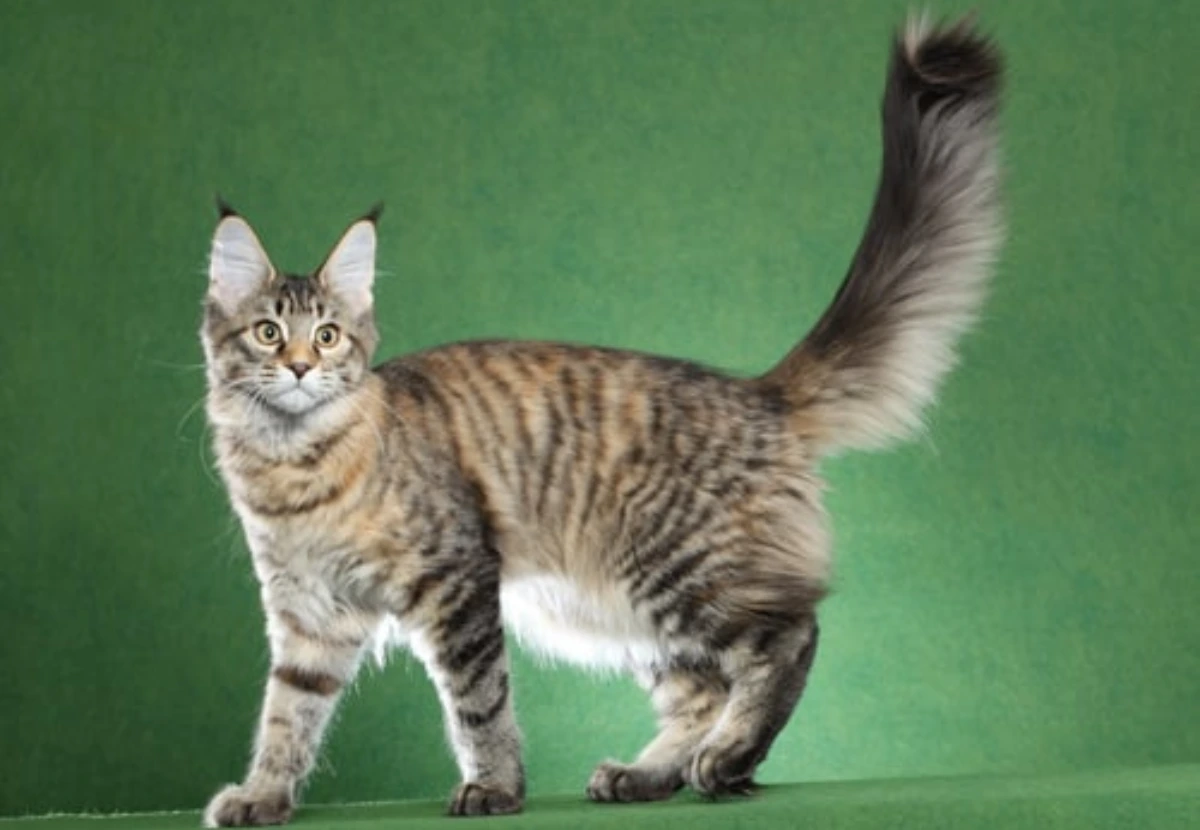
Maine Coon Polydactyl
Friendly, sweet-natured and playful; often sociable without demanding constant attention.
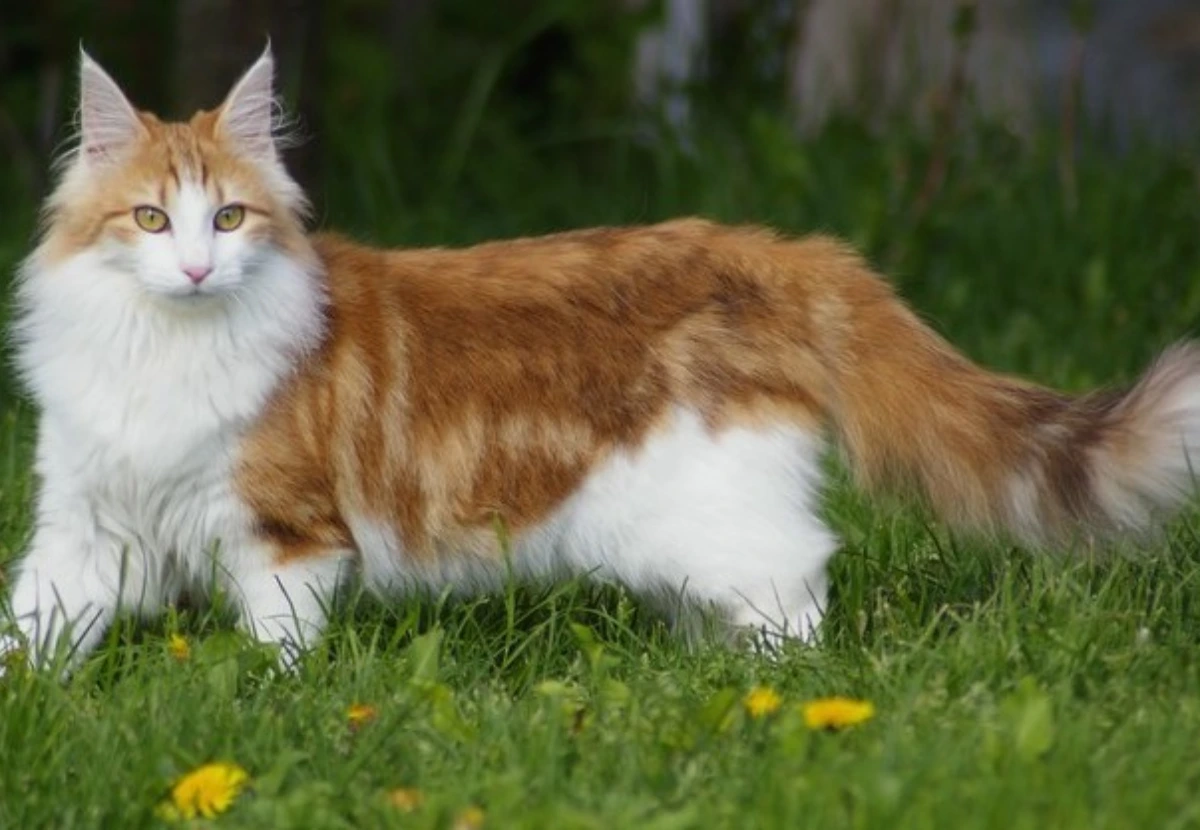
Norwegian Forest Cat
Confident, adaptable and playful; usually appreciates climbing space and gentle companionship.
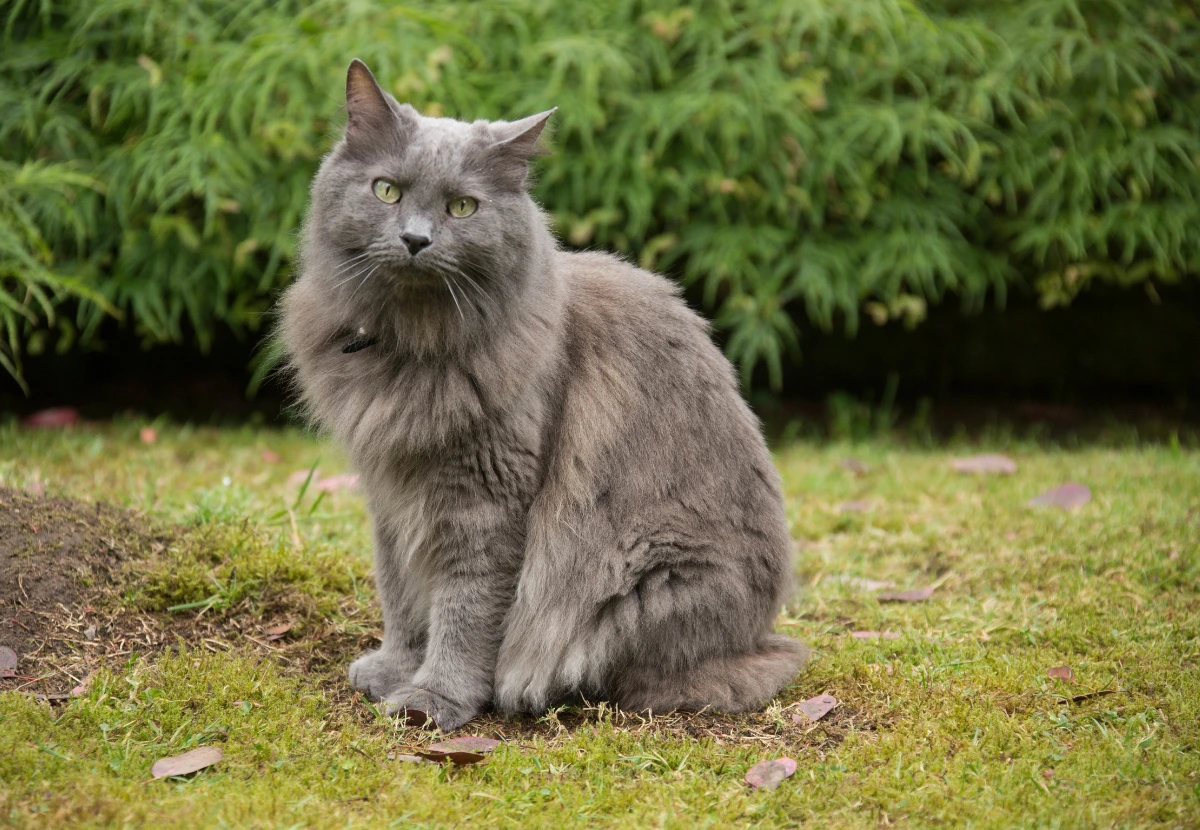
Nebelung
Sensitive, intelligent and playful; often reserved initially but devoted once settled.
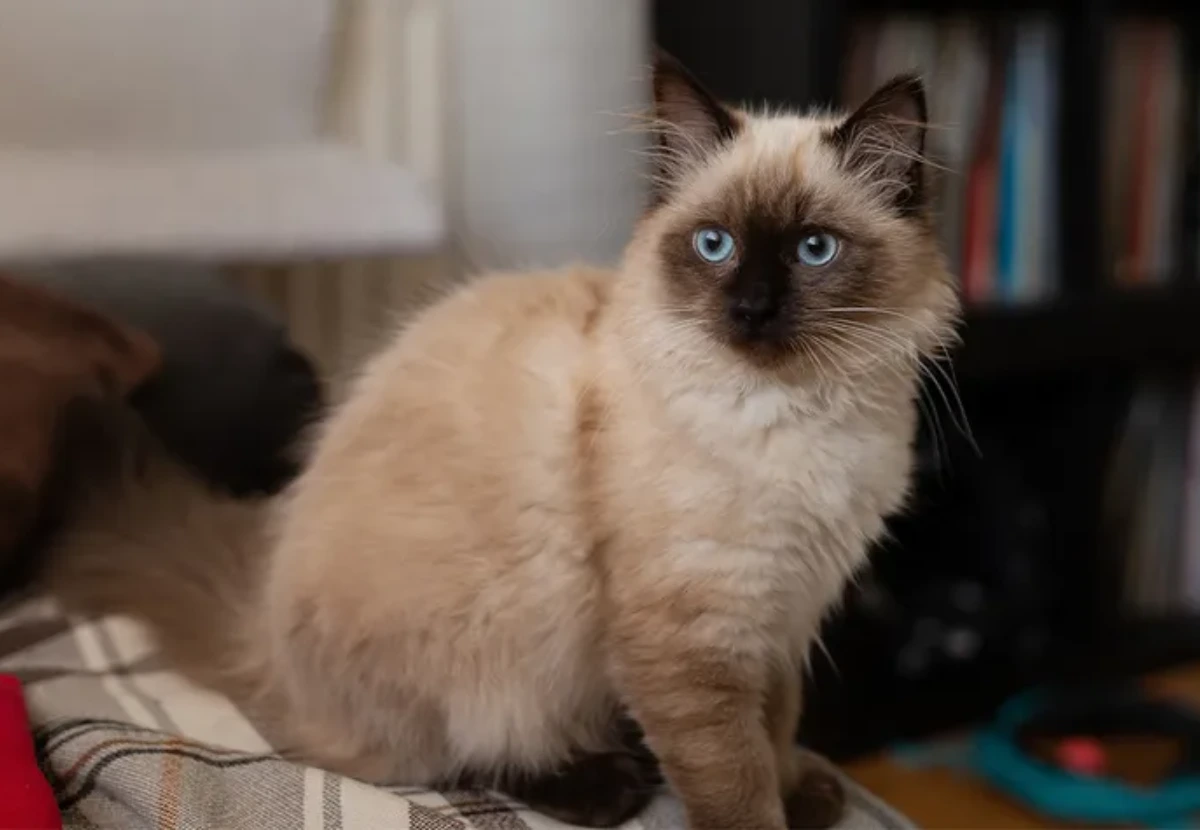
Birman
Gentle, affectionate and playful; often people-focused without being excessively demanding.