
How to Set Up the Perfect Cat-Friendly Home (Without Renovating)
A room-by-room guide to making your home genuinely cat-friendly using what you already have. Covers vertical space, hiding places, litter setup and the small details that matter.
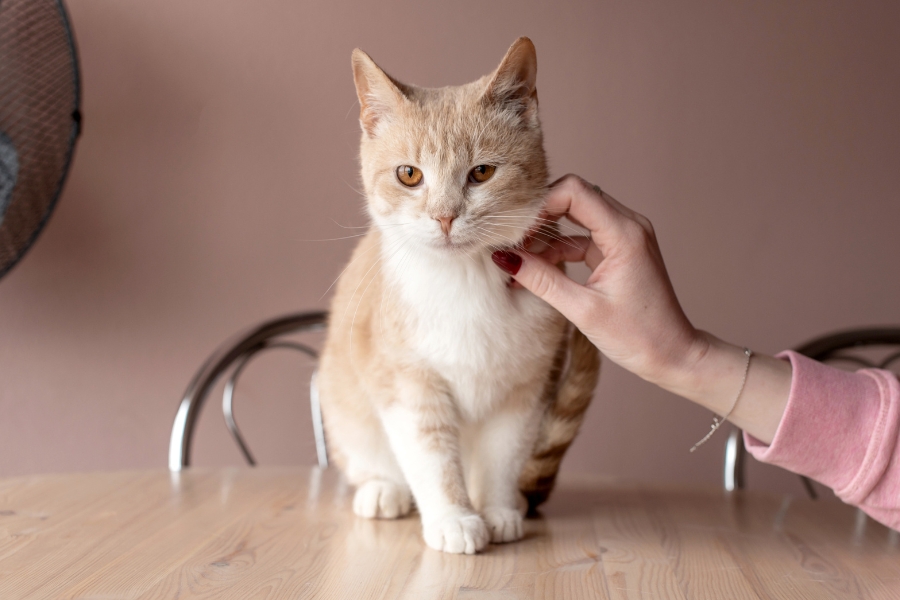
You don’t need a cat condo, a custom catio or a six-foot bespoke scratching tower to live well with a cat. You need a small set of deliberate choices about where things go and how the space flows. Most of it costs nothing.
Here’s the practical version.
The five environmental needs
Feline welfare guidance from veterinary bodies consistently lands on five basic environmental needs. Hit these and a cat will generally settle well:
- A safe space to retreat to.
- Multiple, separate, key resources (food, water, litter, scratching, rest, play).
- Opportunities for play and predatory behaviour.
- Positive, predictable interaction with humans.
- An environment that respects the cat’s sense of smell.
The rest of this guide is just how to apply those in a normal home.
Vertical space matters more than floor space
Cats use space three-dimensionally. A flat living room with no climbing options is “small” to a cat, even if it’s large to you. A cleverly used studio flat with elevated perches can be a great cat home.
Easy ways to add height:
- Cleared shelves at varying heights. Mount them so they form a path the cat can step between. A shelf, then a higher shelf 50–60cm above, then a high one near the ceiling.
- The top of a bookcase, cleared of fragile things, with a folded towel for grip.
- A windowsill with the curtain pulled clear so the cat can sit and watch the world (a “cat TV” — birds outside the window are excellent enrichment for indoor cats).
- A cat tree, if you have the floor space and budget — choose a tall one with a sturdy base and at least one fully enclosed cubby.
The principle: a cat who can get up high can survey their territory, which helps them feel secure.
Hiding places aren’t optional
Every cat needs at least one or two genuinely concealed hiding spots — somewhere they can vanish to when they don’t want to be social, without being followed.
Easy options:
- A cardboard box tipped on its side, with a folded blanket inside, tucked behind a sofa.
- A cubby on a cat tree.
- The space under your bed, kept dust-free and accessible.
- An igloo bed in a quiet corner.
A cat with a guaranteed hiding place is, paradoxically, more confident in the rest of the home. They know retreat is always available, so they take more risks.
Resource separation: the “n + 1” rule
A common welfare-led rule of thumb: for every cat, provide one of each key resource — plus one. And spread them around the home, not all in one corner.
For one cat that means:
- 2 water sources
- 2 food bowls (or one bowl plus a puzzle feeder)
- 2 litter trays
- 2+ resting places
- 2+ scratching options
For multi-cat homes you scale up (and we’d argue resource separation matters even more, because most multi-cat tension is a resource-access issue, not a personality clash).
A few placement details that matter more than people realise:
- Don’t put food and water right next to each other. Cats often drink more, and from more places, when water is offered separately.
- Never put litter trays next to food. Cats find it as unappealing as you would.
- Place litter trays in quiet, low-traffic locations with a clear escape route — not in cupboards where the cat can be cornered.
- Multi-storey home? Put a litter tray on each floor the cat uses.
Scratching: solve it on the cat’s terms
Cats scratch for several reasons: to maintain claw health, to stretch their back and shoulder muscles, and to leave visible and scent-based territory markers. They will absolutely scratch — the only question is where.
Make the right places more attractive than the sofa:
- Tall posts (taller than the cat can fully stretch standing on hind legs) with a sturdy base. Wobbly posts get rejected.
- Multiple textures: sisal rope, sisal fabric, cardboard, sometimes carpet. Try a couple and see what your cat prefers.
- Horizontal and angled scratchers too — many cats prefer one or the other.
- Place them where the cat naturally wants to scratch: near where they sleep (cats often scratch on waking) and near the entrances to rooms (where they want to leave a marker).
If a cat is already scratching the sofa, place an attractive scratcher right next to that spot, then gradually move it. Don’t hide the scratcher in a corner — they ignore it.
Play and predatory behaviour
Cats are obligate predators. Their welfare is meaningfully improved when they get a chance to express the full predatory sequence: stalk → chase → pounce → catch → “kill” → eat.
In practice:
- Wand toys (feather or fabric on a string on a stick) are unbeatable for proper play. Move them like a small animal — quick darts, then pauses, then a hide. Not whirlwind circles around the cat’s head.
- End the session by letting them catch the toy, not just by walking away. An interrupted hunt is frustrating; a completed one is satisfying.
- Then feed a small meal — that completes the natural sequence.
- Puzzle feeders (snuffle mats, balls with kibble inside) work some of the same muscles and are excellent for cats who are home alone during the day.
Ten to fifteen minutes of proper interactive play, once or twice a day, covers most cats. Kittens and young adults often want more.
A few small things that punch above their weight
- Cardboard boxes. Free, infinitely renewable, universally loved.
- A bowl of fresh water on a different floor. Often it gets used more than the kitchen one.
- A windowsill perch in winter sun. Cheap to install, instant joy.
- Quiet, predictable feeding times. Cats find predictability calming.
- Don’t over-pet. Most cats prefer short, opt-in interactions on their own terms.
Pull these together and you don’t need a renovation budget — just a weekend of moving things round. The cat will tell you fairly quickly which changes worked.
Sources
Related stories

Atopic Dermatitis in Cats: Symptoms, Diagnosis and Treatment
Atopic dermatitis can leave cats intensely itchy and uncomfortable. Here is how vets identify the condition and manage flare-ups.

Cat Acne: Causes, Symptoms and Treatment
Feline acne can cause blackheads, greasy skin and sore patches around a cat’s chin. Here is how vets identify and treat it.

Arthritis in Cats: Causes, Symptoms and Treatment
Arthritis is common in older cats and can cause stiffness, pain, limping and reluctance to jump, climb stairs or use the litter box.
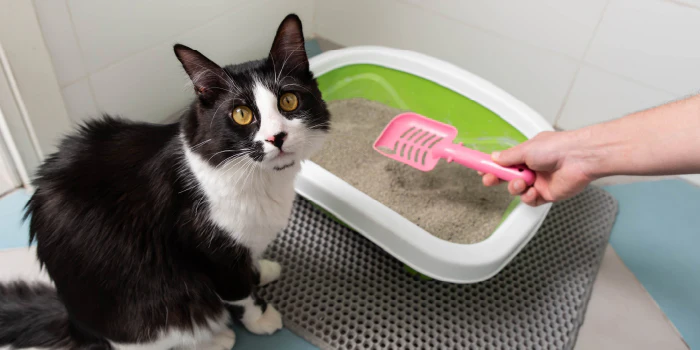
How To Potty Train A Cat
A calm, welfare-first guide to adopting your first cat — covering rescue choices, what to ask the shelter, and how to set up your home for the all-important first week.