
Why Cats Knead: The Science (and Folklore) Behind 'Making Biscuits'
Cats knead on blankets, laps and each other — but why? A clear, evidence-led explainer of where the behaviour comes from and what it means when your cat 'makes biscuits' on you.
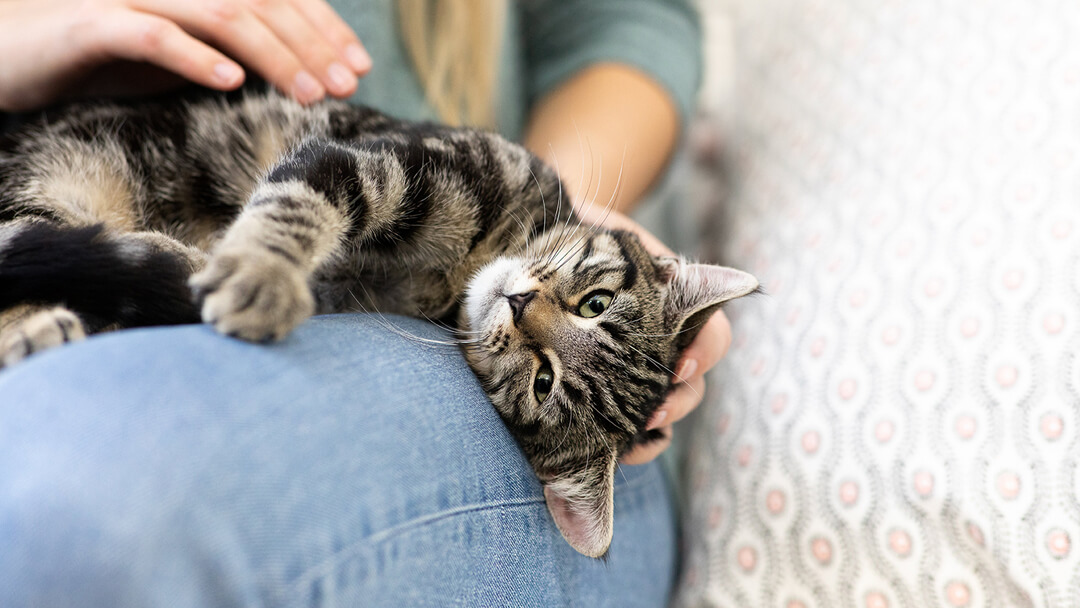
You’ve probably seen it. The cat plants themselves on a blanket — or your lap — and starts pushing their paws into it, alternating left and right, sometimes purring, sometimes drooling, claws gently in and out. Some people call it “making biscuits” or “making bread.”
It looks weird the first few times. It is, in fact, completely normal — and quite charming once you know what’s going on.
The kittenhood origin
The leading explanation is that kneading is a behaviour cats carry over from nursing. When kittens are feeding, they instinctively push at the mother cat’s mammary glands with their front paws. The motion stimulates milk flow, and the kitten associates it with warmth, food and safety.
Most cats keep the behaviour into adulthood. When an adult cat kneads, the working theory is that they’re tapping back into that same comfort loop — the brain pattern is associated with feeling safe, so kneading becomes a sort of self-soothing ritual.
That’s why you most often see it when a cat is settling down somewhere they like, on or near someone they trust.
Other plausible explanations
Behaviourists tend to list several overlapping reasons rather than one single cause:
- Scent-marking. Cats have scent glands in the soft pads of their paws. When they knead a surface, they leave a subtle scent signal — essentially marking the spot (or the person) as theirs.
- Territorial comfort. Related to the above — kneading a familiar surface reinforces the cat’s sense that this is their territory.
- Echoes of ancestral nesting. Some ethologists have suggested wild ancestors of the domestic cat would pat down grass or leaves before lying down. It’s plausible, though harder to prove.
- A bit of stretching. Watch closely and you’ll often see kneading combined with toe-spreading and slow paw movements that look like a controlled stretch.
The honest answer is “probably some combination of these,” and which one dominates likely varies cat to cat.
What about the drool, the purr and the staring?
A cat in full knead can look like they’ve briefly checked out:
- Purring in this context is almost always associated with contentment.
- Drooling is a deeper-comfort signal — the cat is genuinely relaxed, and the swallow reflex slows. Not a sign of illness on its own.
- Half-closed eyes or slow blinks are friendly signals.
- The thousand-yard stare isn’t spooky; the cat is just absorbed in the routine.
If kneading is brand-new for an adult cat who hasn’t done it before, that’s usually a sign they’re feeling especially settled — not something to worry about.
When kneading hurts (and what to do)
Kneading itself isn’t a behaviour to discourage — it’s a clear sign of trust. But the claws can be a problem if your cat hasn’t retracted them all the way, especially on thin clothing or bare skin.
A few kind solutions:
- Lay a folded towel or thick blanket on your lap before they settle. It absorbs the claw pressure and protects you.
- Keep their claws trimmed. Regular trims (every 2–4 weeks for indoor cats) make a noticeable difference. If you’re not sure how, a vet nurse can show you in five minutes.
- Provide good scratching options. A tall sisal post or scratch pad gives them a way to wear down their claws on their own terms. This is healthy for cat welfare and a separate behaviour from kneading.
What you should not do is declaw the cat. Declawing is the amputation of the last bone of each toe and is illegal in the UK and many other countries on welfare grounds. It causes lasting pain and behaviour problems and is not a solution to anything.
A small note on what kneading means socially
When a cat kneads you — not just a blanket — they’re telling you, in their language, that you’re part of their safe world. It’s the same signal as a slow blink, a head bump, or curling up on your feet.
It’s worth quietly enjoying. Most cats grow more selective about who they do it on, not less.
Sources
Related stories
Shy Tuxedo Cat Finds a Safe Place to Raise Her Four Kittens and Begins to Trust Again
A timid tuxedo cat named Raea found the safe foster home she needed just before giving birth to four healthy kittens.

7 Benefits of Feeding Cats Wet Food
Wet food offers more than moisture. It can help support hydration, texture preferences, diet variety, and feeding flexibility for many cats.

Feline Idiopathic Cystitis in Cats: Signs, Causes and Care
Feline idiopathic cystitis can make urination painful and stressful for cats. Here is how to recognise the signs and support long-term care.